The living core for brand operations
One persona.
Every tool.
Brand Engine compiles your brand data into a versioned Brand Identity — voice, personality, exact colors, full logo system — and serves it to every tool over one API. Edit it once; agents, journeys and playbooks follow on the next request.

The ecosystem
One identity in the middle. Everything else reads it.
No exports, no re-briefing, no copy-paste. Every tool asks the hub for the current version and gets the same answer.
Brand Identity
Northbound
v14
Why this exists
Every system that speaks to your customer is guessing — about you and about them.
Somewhere on a drive
guidelines-final-v3.pdf
Chat agent
chatty
Email tool
formal
Sales deck
salesy
Your stack is guessing about you
The chat agent, the email tool and the assistant each hold a fragment of the brand and improvise the rest. Nobody is wrong; there was never one answer they could ask for at request time.
And guessing about your customer
Segments describe who someone is on paper. Nothing in the stack knows how they actually respond — so every message is written for an average person who does not exist.
Compliance is not the same as quality
Checking work after it is made catches the logo in the wrong colour. It cannot make the copy land. A review queue is not a substitute for output that was right the first time.
The method
We model both sides of the relationship.
Your brand has a personality. Your customers have measured ones. We compile the match into something every one of your systems can read.
Audience side
Measured, with validated psychology
Real customer segments profiled on the Big Five — the most empirically validated taxonomy of human personality in the field. This is where OCEAN belongs, and where it is bulletproof.
Brand side
Compiled, on brand-appropriate dimensions
A brand does not meaningfully score on neuroticism. The brand side is compiled on dimensions built for brands, expressed as voice, principles and behaviour — versioned like code.
The match
How this brand should speak to that person
The product is neither side alone. It is the match between them, compiled into an object every system in your stack can read at request time.
Same input, different organism
Their agent audits. Ours acts.
Brand platforms and Brand Engine start from the same raw material and part company at the compile step. One keeps the document correct. The other produces the work.
| Governance platforms | Brand Engine | |
|---|---|---|
| Input | Brand data | Brand data — the same |
| Transform | Structure it and publish it | Compile it: a measured personality and persona become a machine-readable object |
| Output | Queryable guidelines and approved assets | A versioned Brand Identity bundle |
| Who reads it | External tools, to stay compliant | First-party systems that produce the work |
| What it does | Checks after the fact | Writes, converses, plans and pre-tests |
| Unit of value | The document stays correct | The output is right the first time |
How it works
Brand data in. Brand Identity out.
Four stages, one output — a versioned bundle every tool can request.
01
Brand data in
Under the roof
Tools that read your brand instead of asking you to re-describe it.
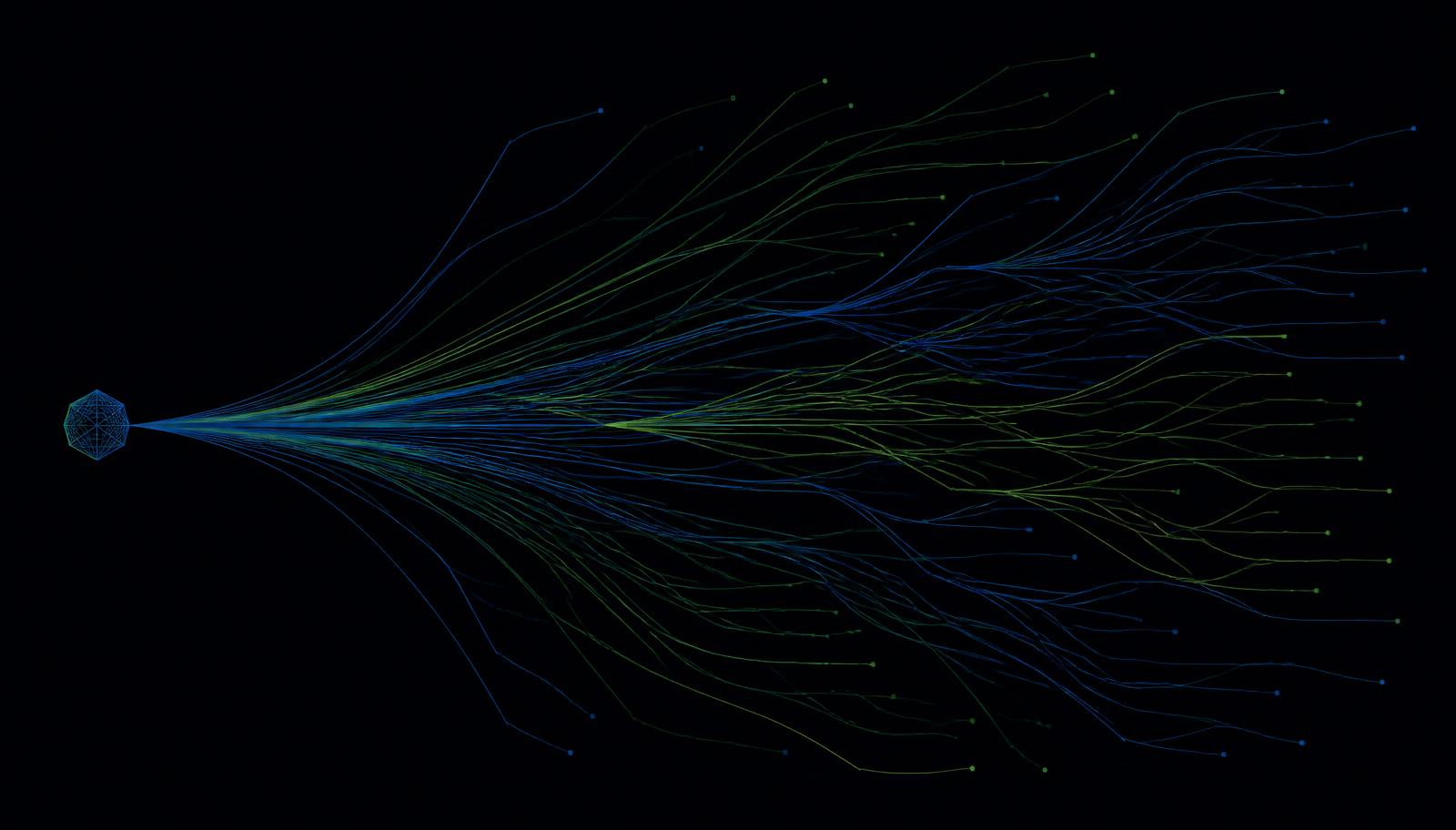
Test the campaign on your customers before you spend the media budget.
- — Profiled segments from your own customer data
- — Reactions per segment, not one average
- — Forty concepts in, three worth real research out

Strategy that stays connected to execution.
- — Playbooks and funnels
- — Personas and target audiences
- — Campaigns with results tracking

Agents that already sound like your brand.
- — Embeddable widget, one line of script
- — Voice in and voice out
- — Product suggestions inside the conversation
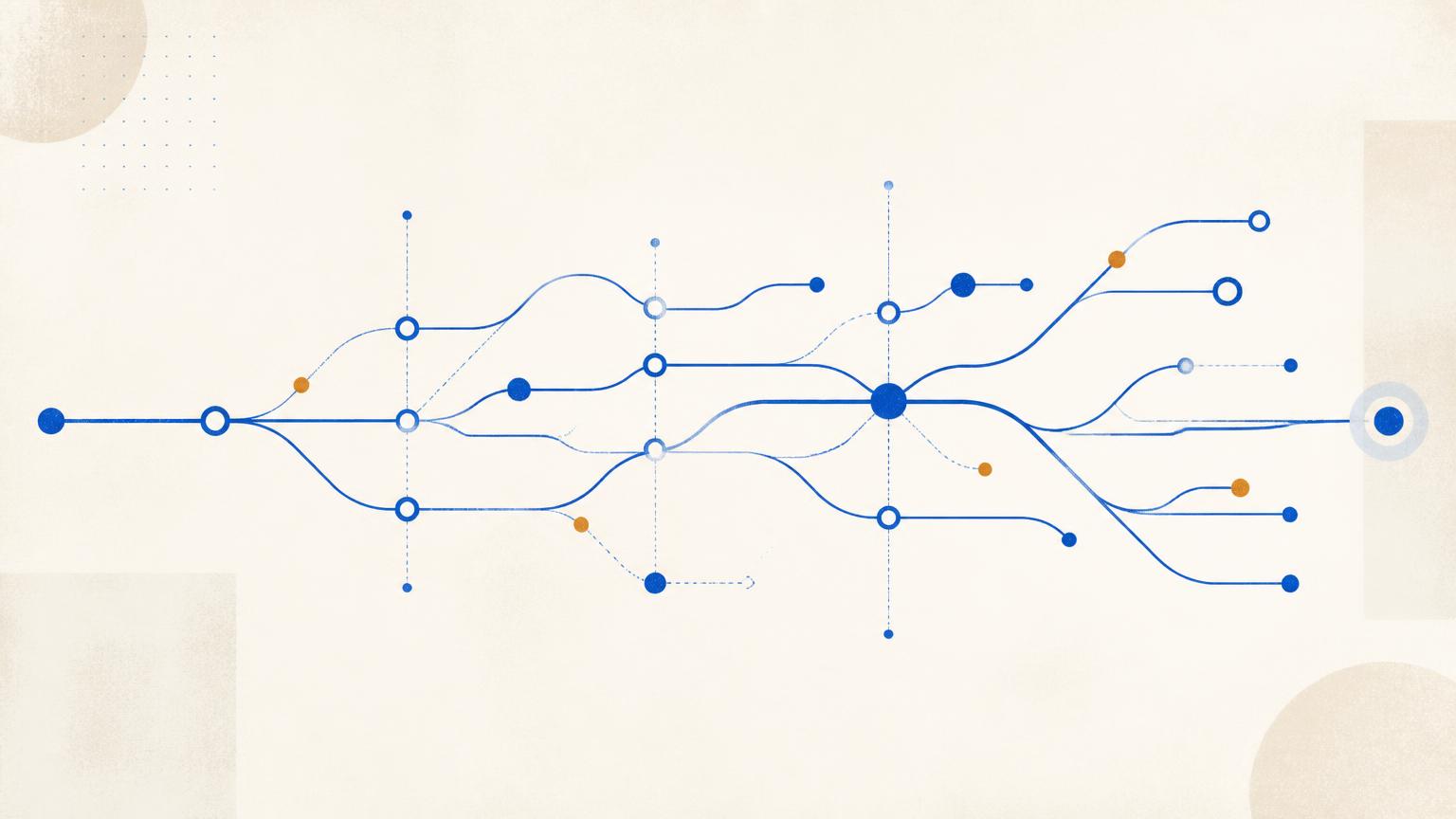
Owned dialog instead of rented reach.
- — Unified inbox for owned channels
- — Journey automation with a real clock
- — Templates with a review step
Built for developers
Your identity is addressable.
A documented HTTP API with versioned brand bundles, cheap no-change reads, signed webhooks that invalidate caches the moment an identity changes, and an event endpoint so tools can report back. Multi-brand by default — every call names the brand it means.
Request
GET /api/public/v1/brand/by-id/$BRAND_ID/bundle
Authorization: Bearer $CORE_CHILD_APP_TOKEN
X-Tool-Slug: dialog-center
Response — v14
colors · logo system · voice · principles · persona
The steady guide
Identity changes in Brand Engine → signed webhook → the tool drops its cache and re-reads on the next request. No re-briefing, no drift.
Early access
We are onboarding the first brands by hand.
Tell us about your brands and what you are trying to solve. We reply personally, set up your identity with you, and take your feedback seriously — that is the point of this phase.